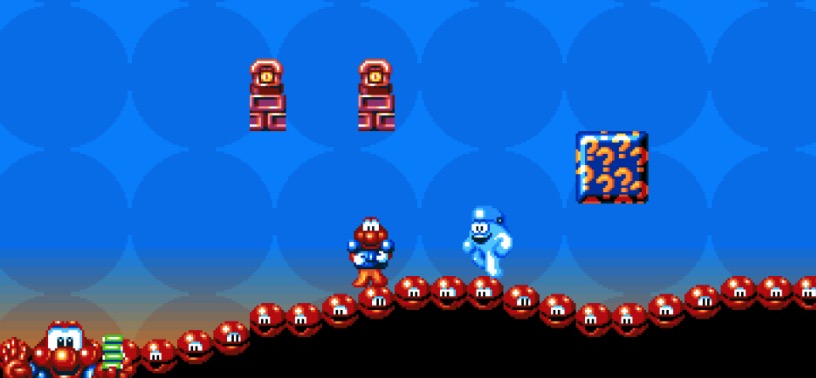
James Pond 2: Codename RoboCod has a new recompilation for Windows, macOS, Linux, Steam Deck and PlayStation 5 homebrew. Gary Riches released the first builds on 26th October, adding widescreen presentation, modern save options and display settings to the Amiga platformer.
The project translates the original game’s Motorola 68000 code into C++, with SDL3 providing the application framework. It also models the Amiga’s custom chips and retains a Musashi interpreter for code outside the translated portions. This is a rebuild around the Amiga game, with its original data supplied separately.
Millennium released the original Amiga version in 1991. Chris Sorrell created its code, design and artwork, while Richard Joseph supplied the music. The recompilation revisits this version of RoboCod, retaining the connection to its creators’ work rather than replacing it with a newly designed game.
Widescreen is the most visible addition. The renderer draws scenery, backgrounds, enemies and items across the expanded view using the game’s own state. It moves the score and lives displays towards the corners, with an option to restore the original 4:3 picture.
The underlying game still updates at the Amiga’s 50 frames per second. Separately, the renderer supplies intermediate pictures at the display’s refresh rate. Gary lists support for 60Hz, 90Hz, 120Hz and higher displays. The additional pictures leave the original game logic’s update rate intact.
Original Amiga data required
The downloads contain no game data. You need your own compatible Amiga disk image or WHDLoad installation. Supported formats include standard ADF images of the Kixx rerelease and common cracked editions, plus ADZ and ZIP archives containing supported images.
The original copy-protected Millennium release is currently unsupported. Extended ADF, DMS and IPF images are also outside the supported formats. Choosing the correct edition therefore affects whether an existing copy works with the new application.
Windows builds require 64-bit Windows 10 or 11. The Mac version supports Intel and Apple silicon machines running macOS 13 or later, while the Linux download targets 64-bit x86 systems, including Steam Deck. The PS5 edition requires a console configured to run homebrew.
Additional options include three pictured save slots, quick saving, level selection and adjustable controller rumble. Picture settings range from crisp pixels to CRT effects and optional scanlines. Audio options model the Amiga 500 or Amiga 1200 output filter, alongside adjustable stereo width. Another option lets abruptly cut-off sounds fade out.
Two PS5 updates followed the initial release on the same evening. Version 1.0.1 changed the home-screen artwork. Version 1.0.2 changed how the application handles the disk’s pre-game loader, which now runs from the supplied image through the interpreter. Windows, Mac and Linux downloads remain on version 1.0.0.
The builds, compatibility details and source code are available through the James Pond 2 RoboCod project on GitHub.